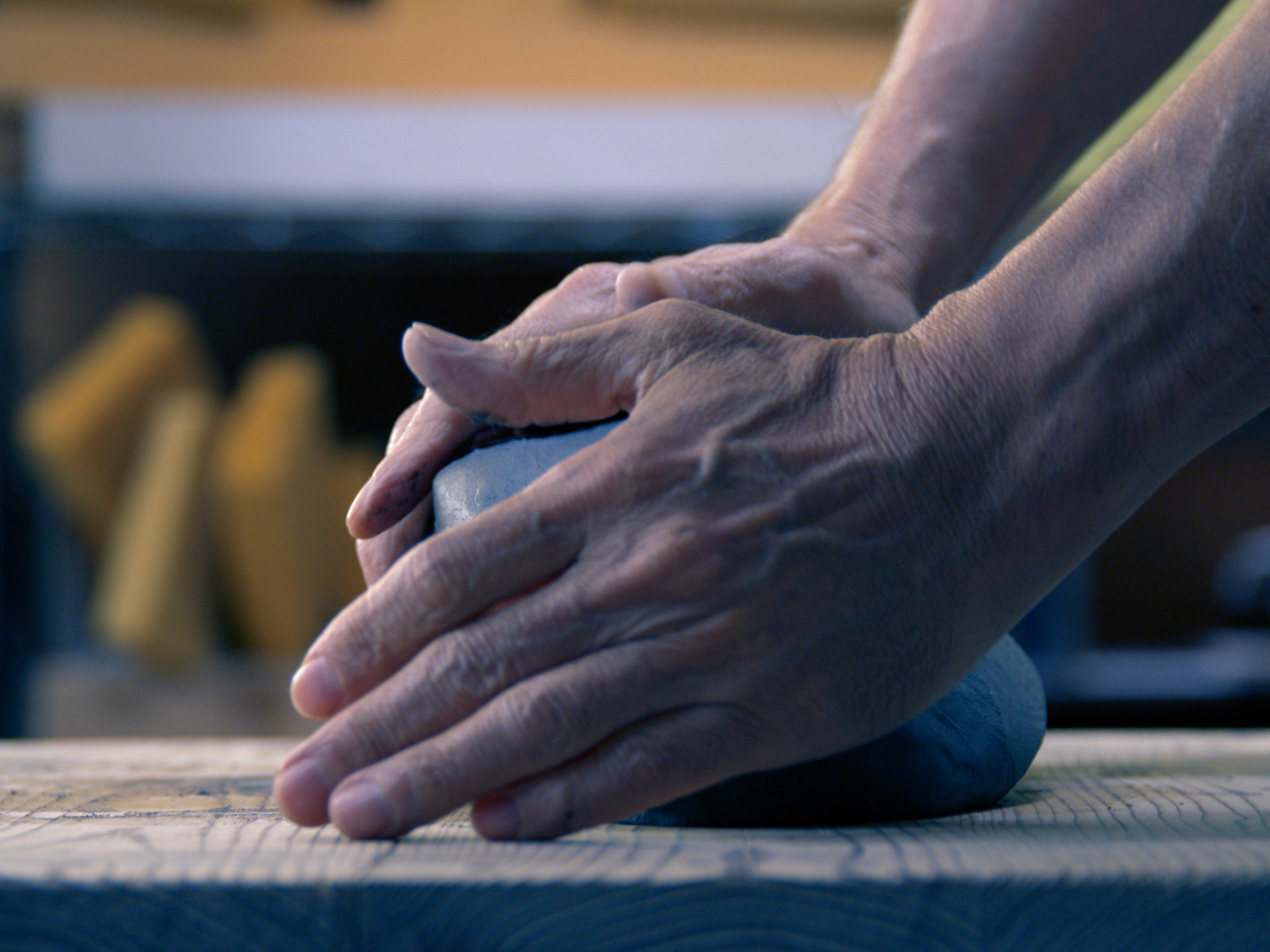
A studio rooted in centuries of practice.
An essay on the studio in Saga — founded by Yoshiki, treating kintsugi as a design philosophy, drawn from Japan's heritage geography.
On the studio →
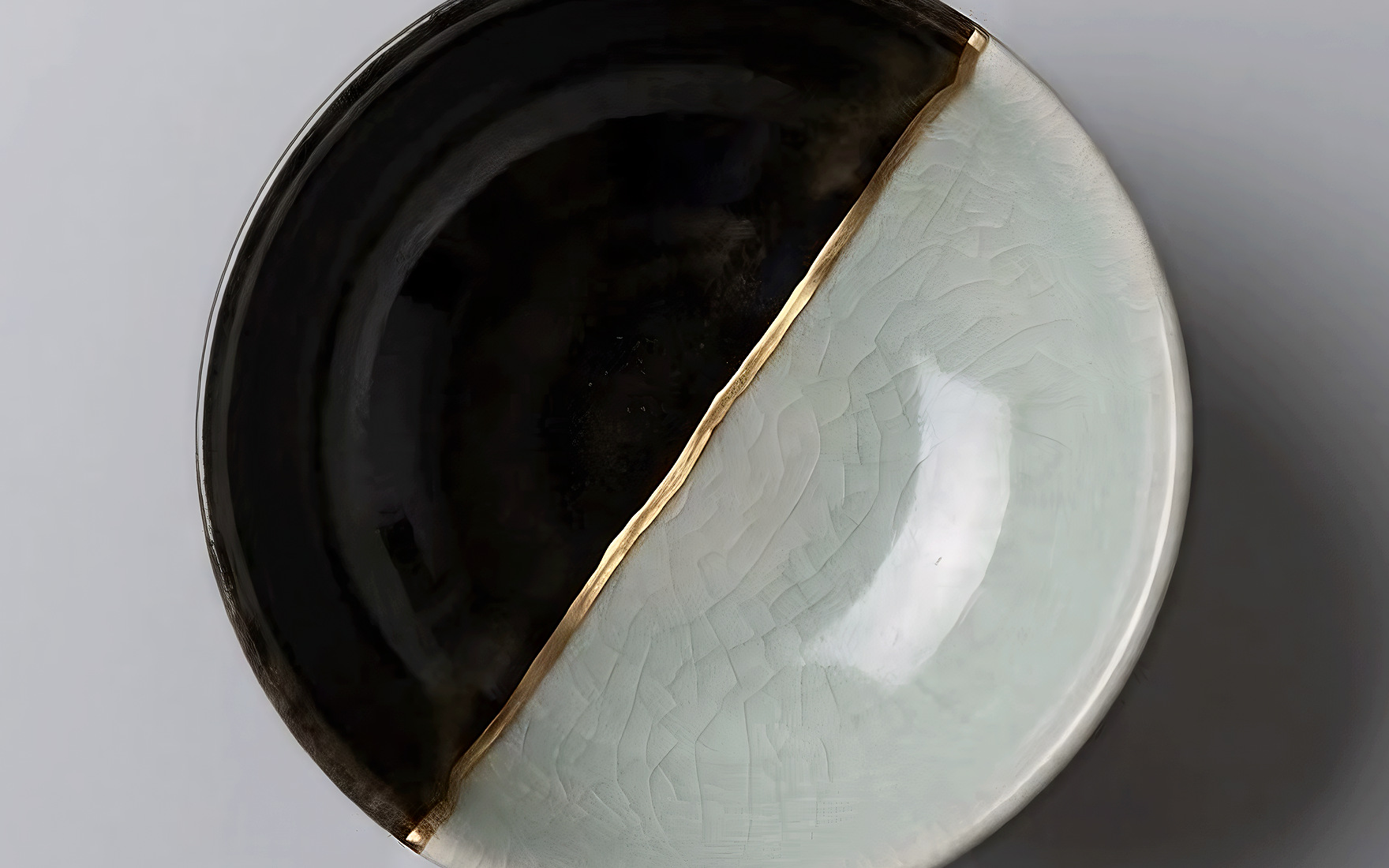
Hizensui is a kintsugi-design studio founded in Hizen (Saga, Japan). We treat kintsugi as a design language drawn from the geology of Japan's heritage materials.
An essay on the studio in Saga — founded by Yoshiki, treating kintsugi as a design philosophy, drawn from Japan's heritage geography.

Heritage materials of Japan, slow making, and a circular aesthetic. Each product asks for the time the material requires, not the time the calendar prefers.
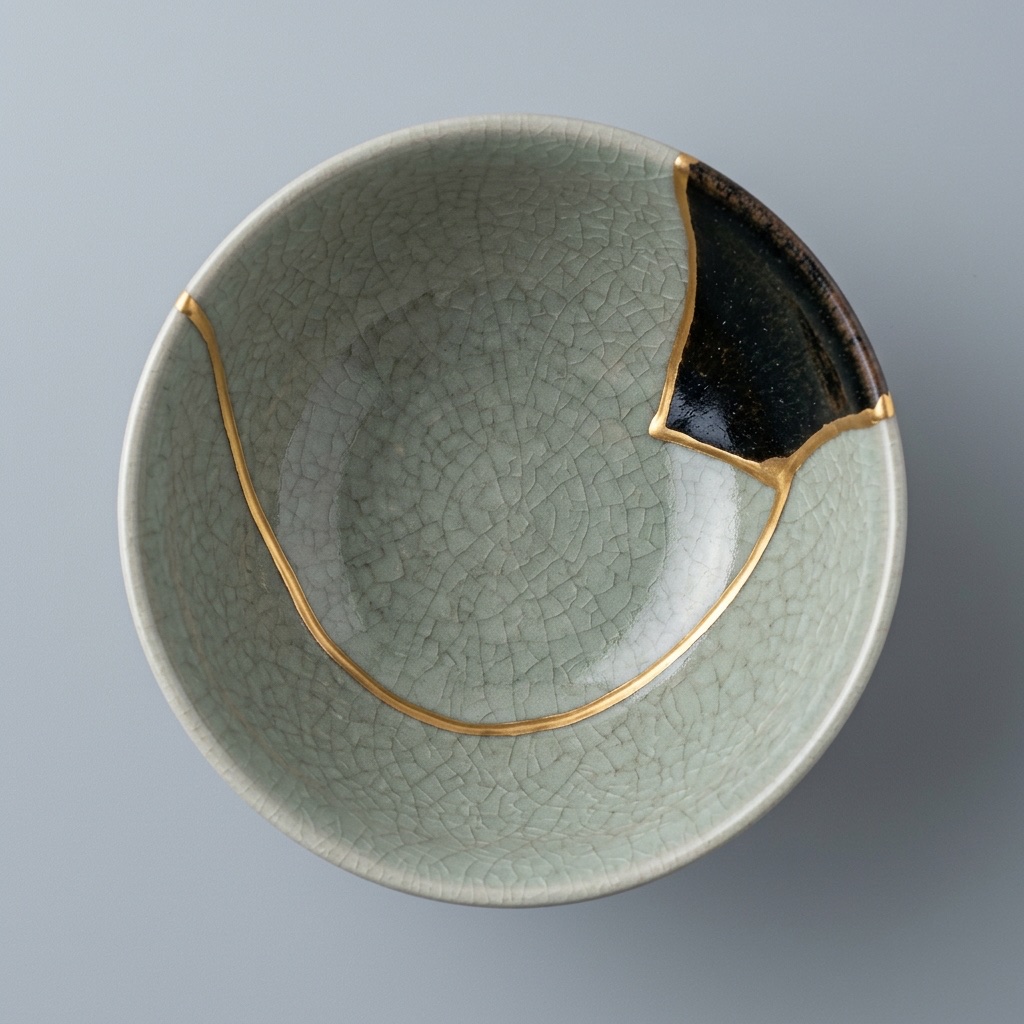
Hizensui follows the kintsugi tradition and extends its language into new forms, drawn from the geology of Japan's heritage materials. The seam is half-imagined, half-discovered.
On the seam as a finished surface, the geology of Japan's heritage materials, and the patience of urushi. From the fifth chapter of the HIZEN folio.
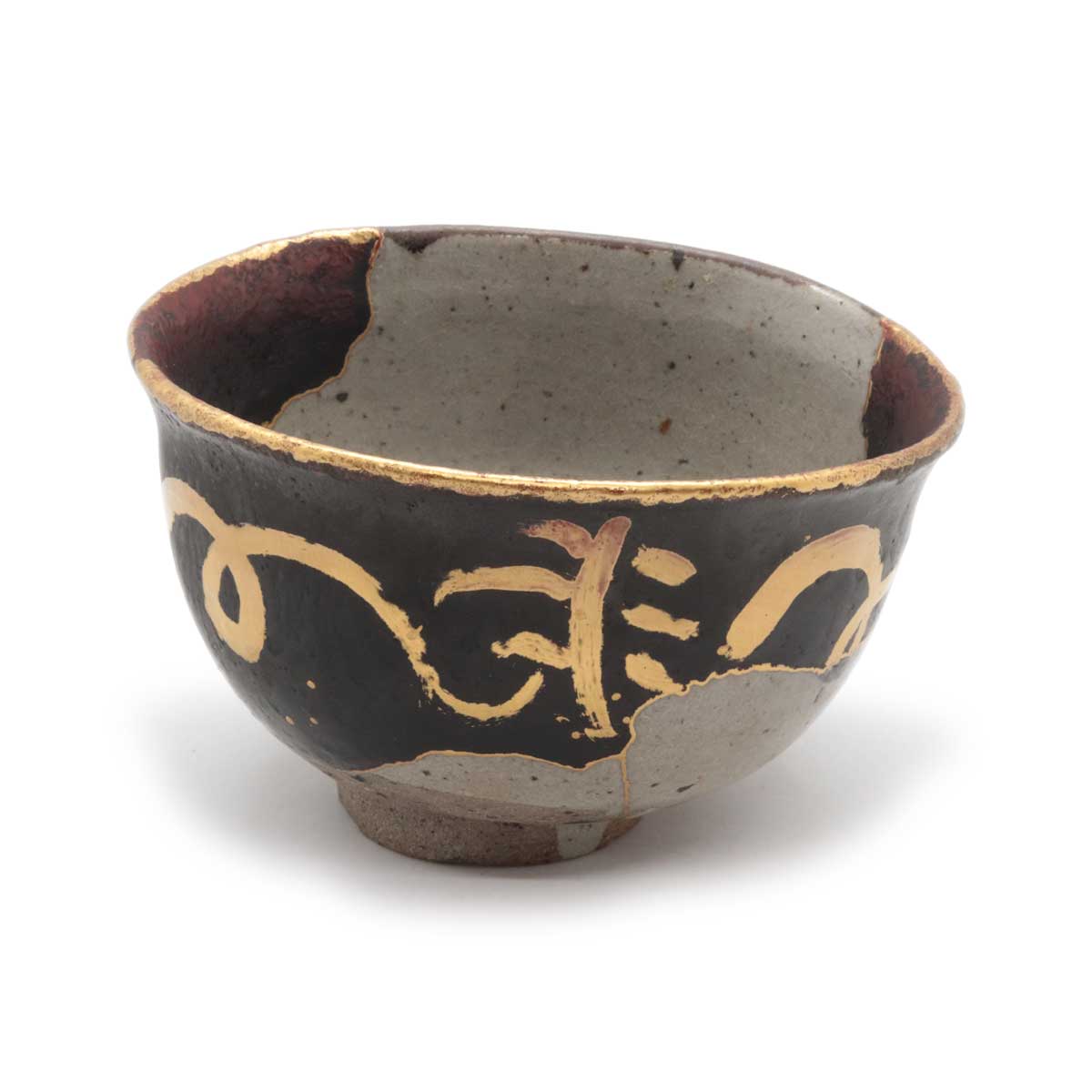
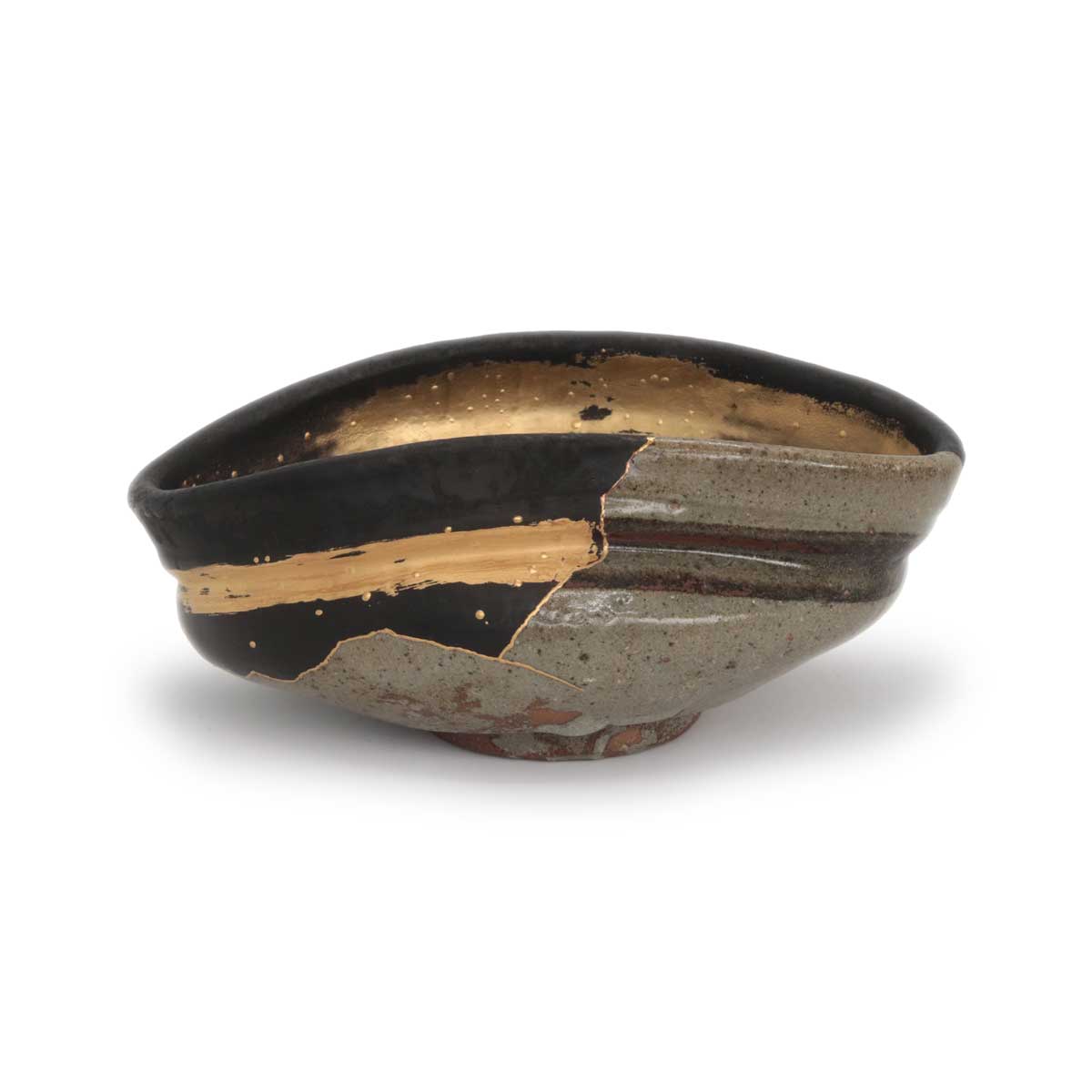
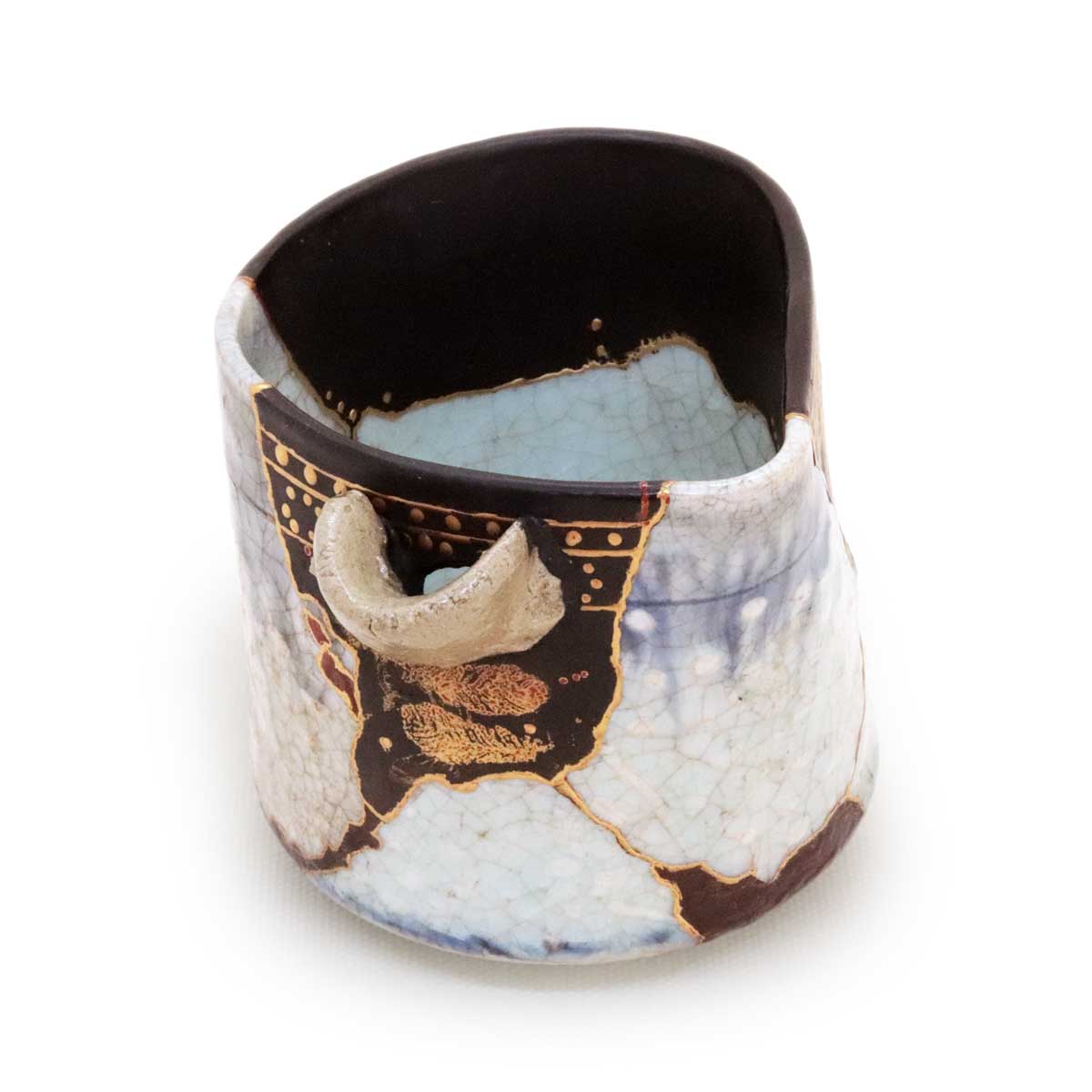
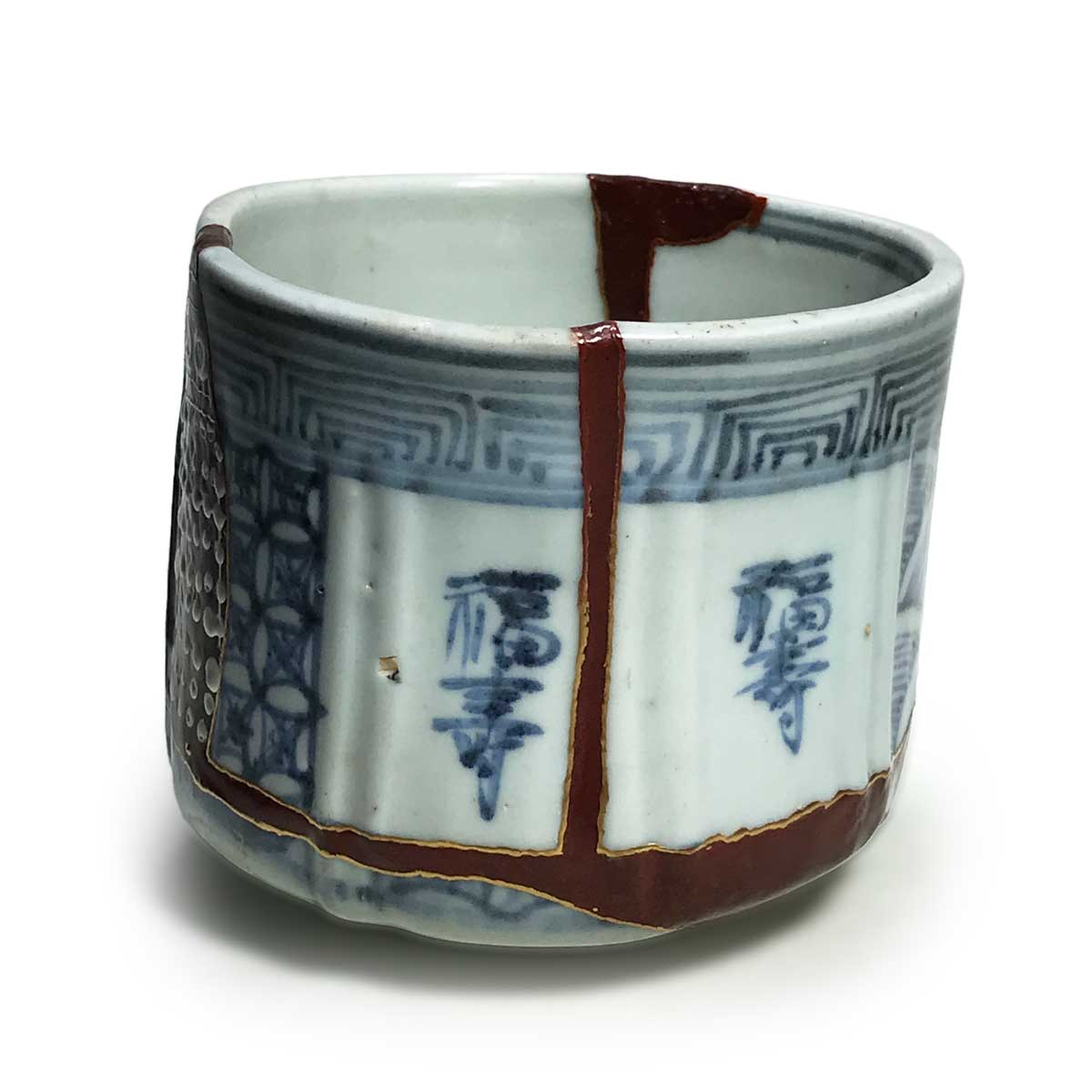
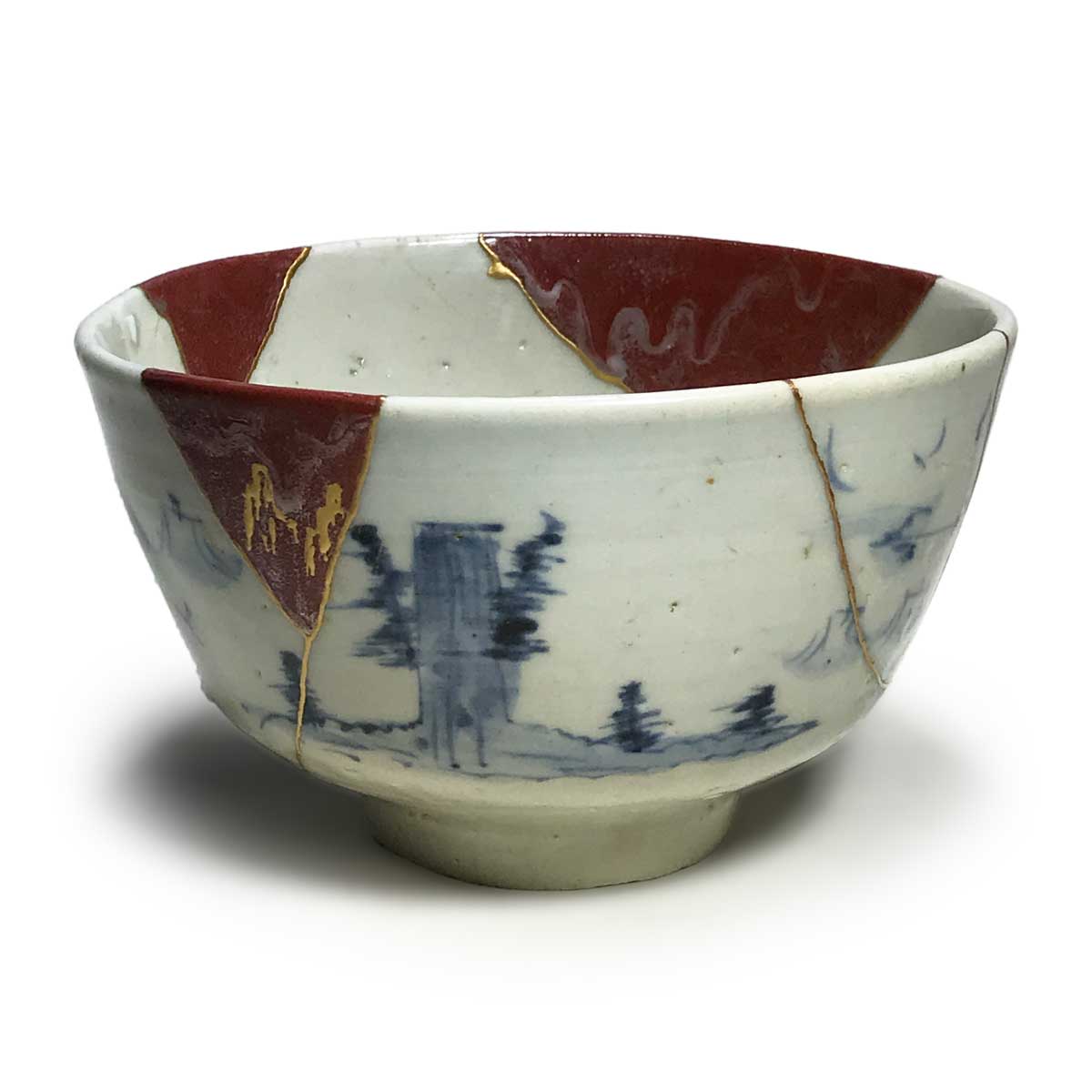
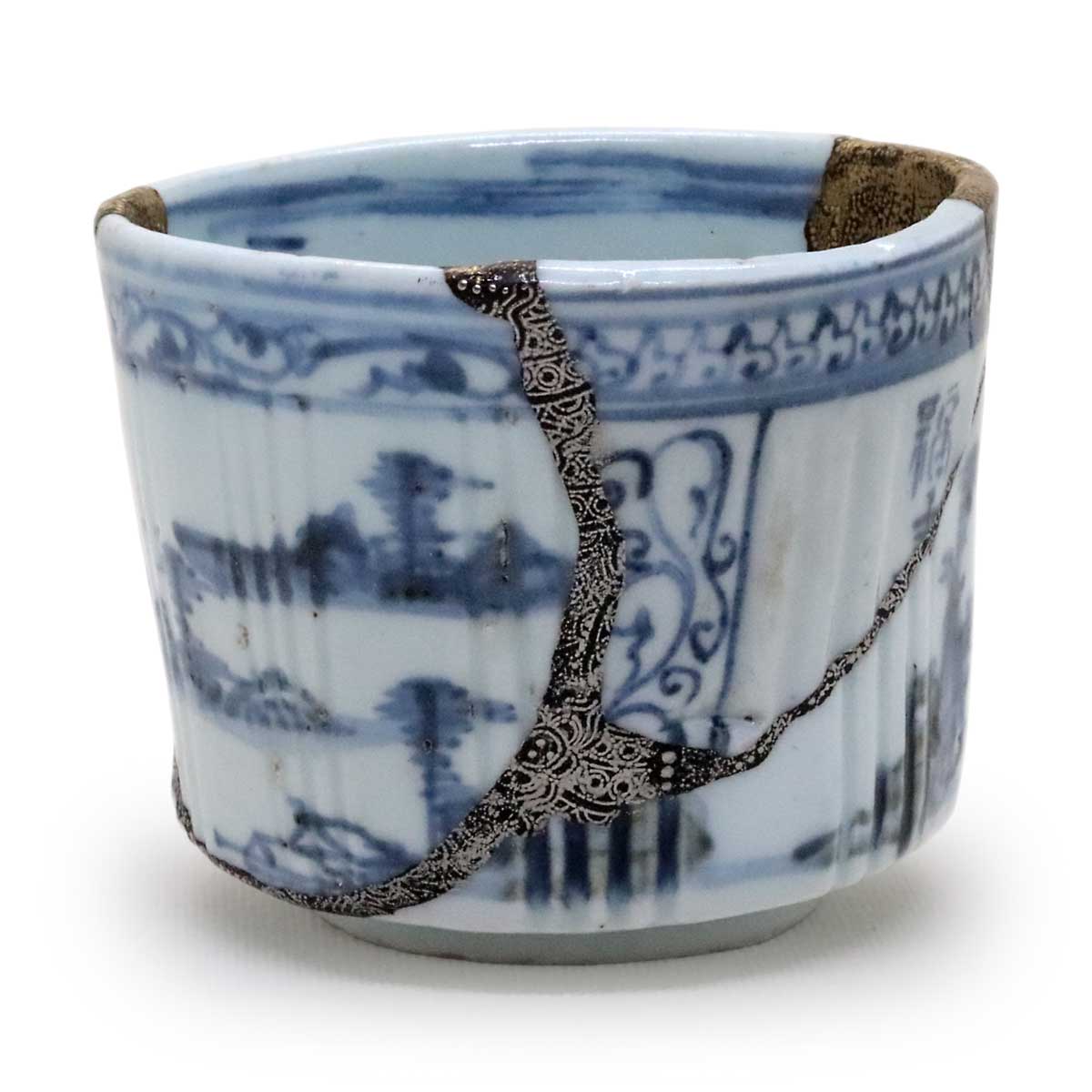
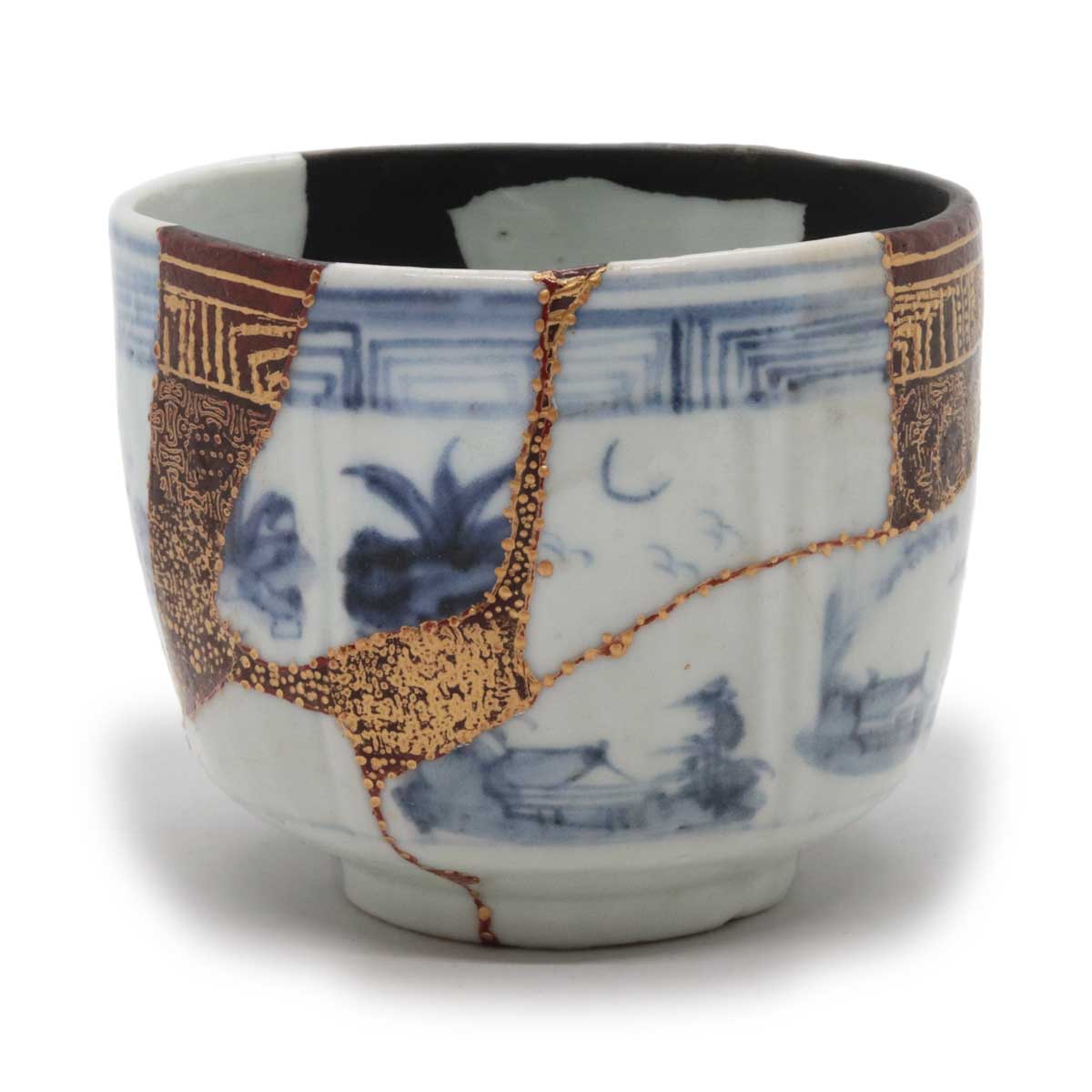
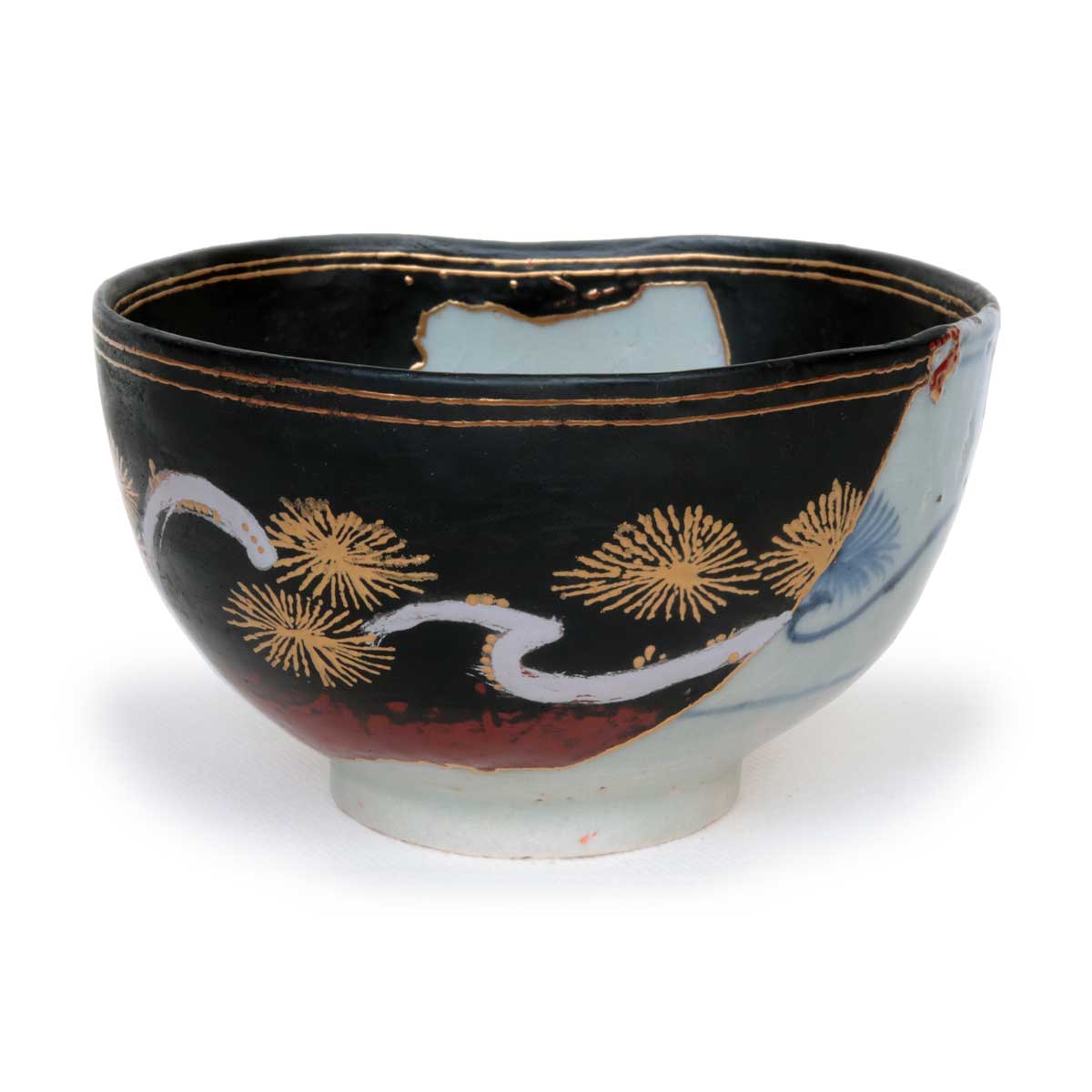
Kintsugi is a Japanese practice of joining ceramics with urushi and gold, refined within tea ceremony culture from at least the sixteenth century. Hizensui follows this discipline, and extends its language into new forms.
The studio was founded in Saga by Yoshiki, with a hundred-year horizon. The geology of Japan's heritage materials — Saga, Arita, Imari — is composed into a single design language. One philosophy.
The seam is the product's primary line. The studio imagines it in broad outline. The break, when invited, is what completes the drawing — and the material always answers in its own way. Between intention and accident, the seam takes its form. The lesson is plain across forms: held in the hand, read against skin, or read by transmitted light.